
Safer Floors for Older Dogs
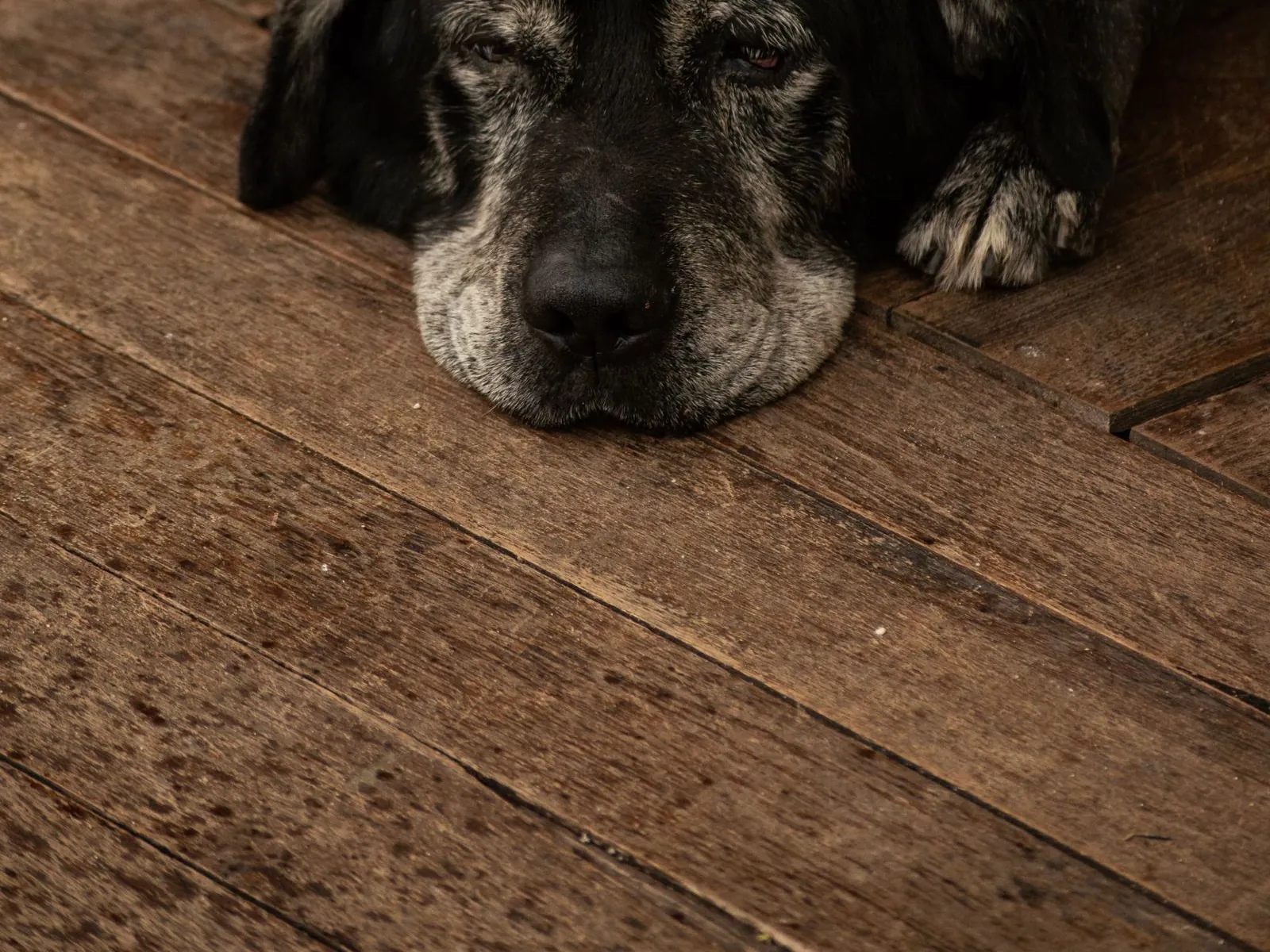
For many older dogs, a polished hardwood or tile floor is the hardest part of the house. Paws that once gripped easily can start to slide, and a dog who slips even once may begin to hesitate, avoid certain rooms, or move more stiffly. The good news is that a few thoughtful changes can make floors feel steadier.
Start by watching, not buying
Before you change anything, spend a few minutes watching how your dog moves. Where do they hesitate? Which rooms do they avoid? Do they slow down at doorways, turns or the edge of a rug? Notes and a short phone video are useful for deciding what to fix first, and they can be helpful to show your veterinarian too.
Add traction where it matters most
You do not need to cover every floor. Focus on the paths your dog uses every day: bed to water bowl, couch to the door, and the route outside.
- Runners along hallways. A long, narrow rug gives a continuous, grippy lane.
- Mats at the key spots. Think the feeding area, the bed entrance and the front door.
- Non-slip backing. Rugs and mats should stay put when your dog steps on them. A rug that slides is worse than no rug.
- Low, flat edges. Thick or curled edges can become trip hazards, so choose low-profile options and keep corners flat.
| Option | Best for | Keep in mind |
|---|---|---|
| Hallway runner with non-slip pad | Long walkways and doorways | Needs to stay flat; secure the edges |
| Rubber-backed area rug | Living areas and resting spots | Check the backing grips your specific floor type |
| Interlocking foam or rubber mats | Feeding area and bathroom | Seams can lift; choose a low profile |
Do not forget the paws
Traction starts at the paw. Many owners and groomers find that long nails and long hair between the pads can reduce grip. Ask your groomer or veterinarian how to keep nails and paw hair comfortably trimmed for your dog. Some owners also try grip aids such as dog socks or toe grips; they do not suit every dog, so introduce anything new gradually and ask your veterinarian if you are unsure.
Keep paths clear and predictable
Older dogs do best when the layout does not surprise them. Keep walkways free of cords, toys and clutter, and try not to rearrange furniture often. A clear, obvious route from one resting spot to the next lets your dog move with confidence.
Check back every few months
Needs change over time. Repeat your walk-through every few months, and any time your dog starts moving differently. Our free Senior Dog Home Safety & Comfort Checklist gives you a room-by-room way to do exactly that, and the room-by-room guide explains what to look for in each space.
FREE GUIDE
Free Senior Dog Home Safety & Comfort Checklist
A room-by-room guide to a safer, more comfortable home for your older dog. Nine pages you can print or keep on your phone, with a simple 20-minute walk-through.
Keep reading
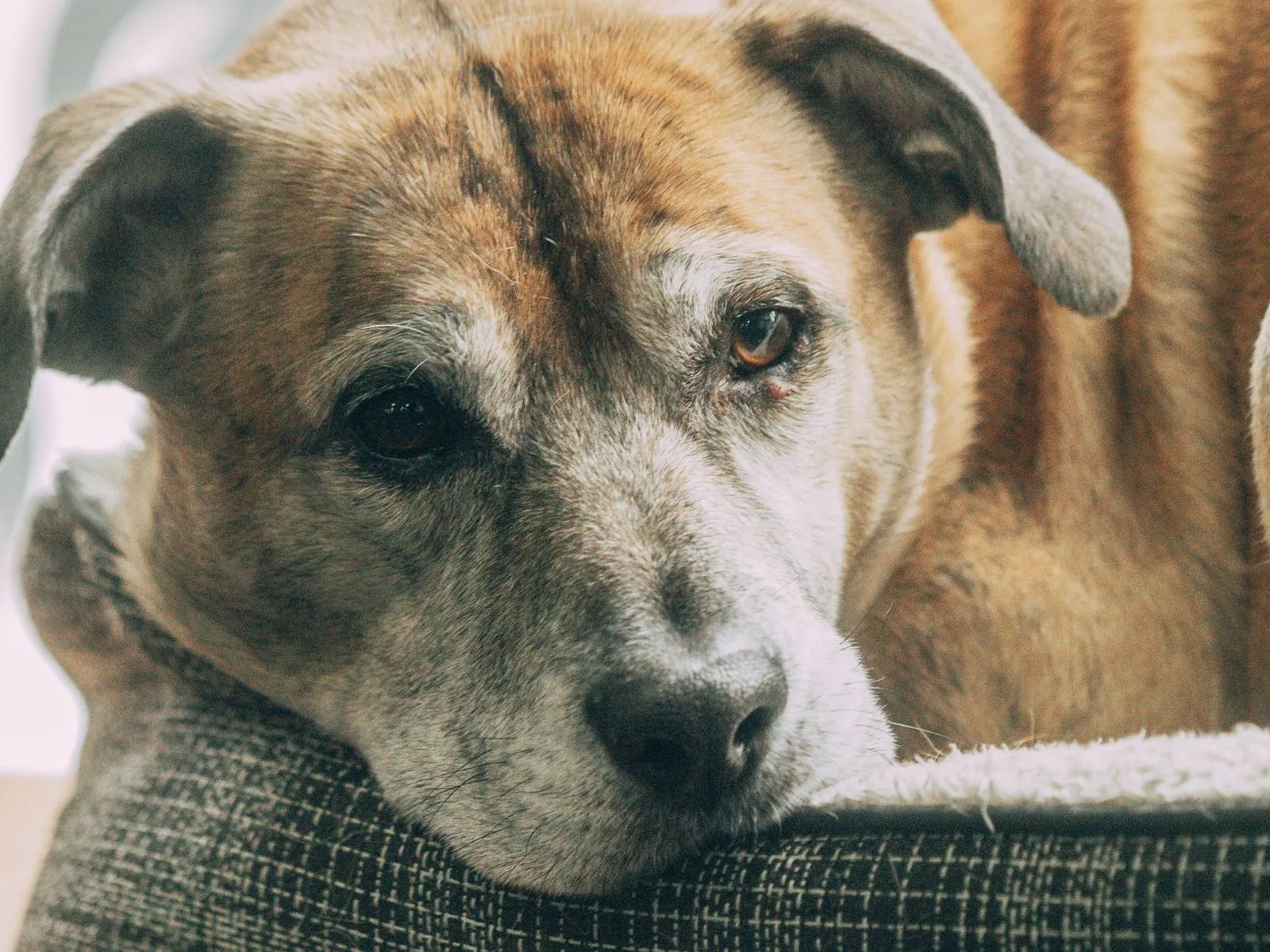
Choosing the Right Dog Bed for an Older Dog
What to look for in a comfortable, easy-to-use bed for your senior dog, from entry height to washable covers.
Read Guide : Choosing the Right Dog Bed for an Older Dog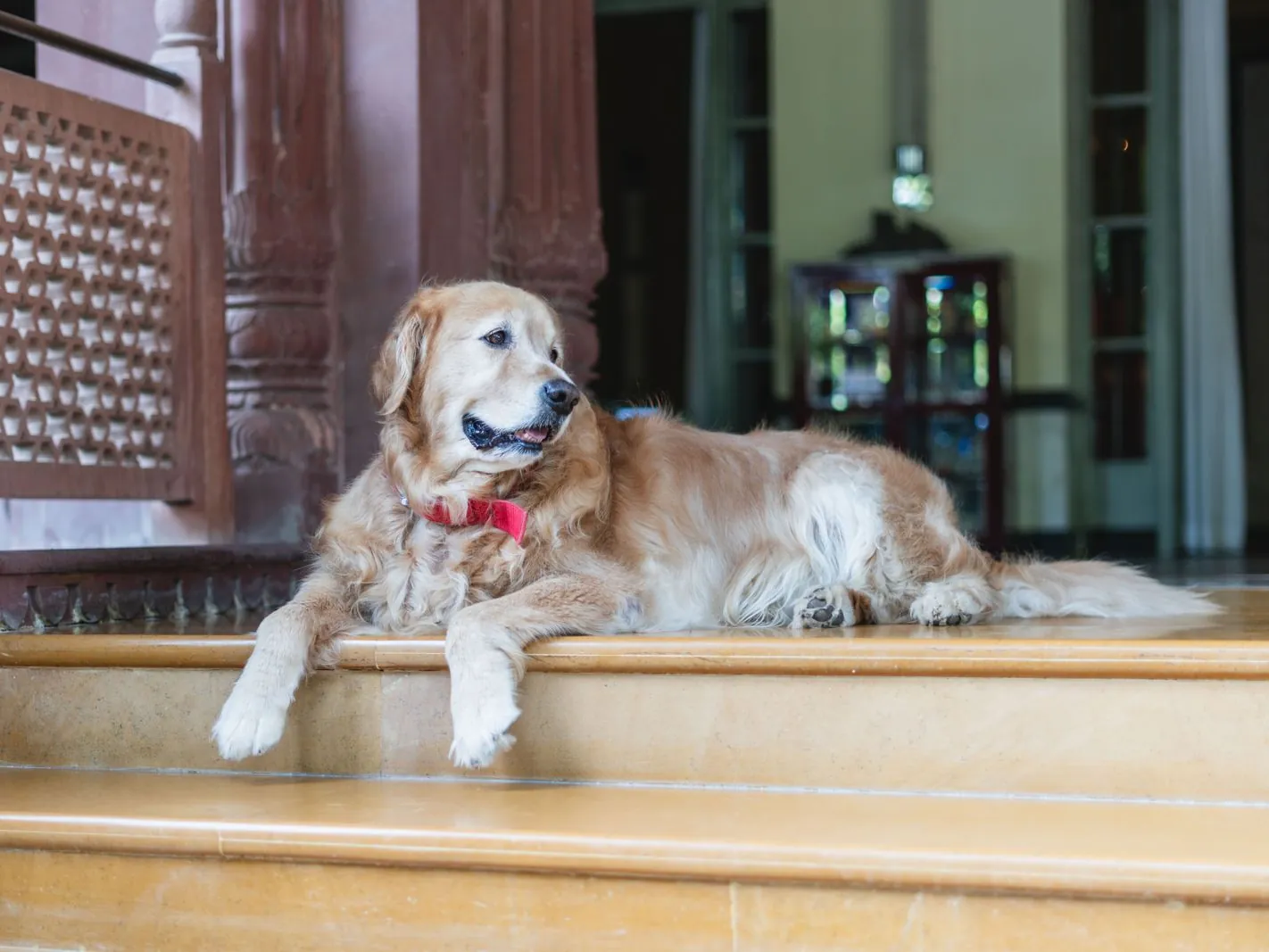
Ramps vs. Steps for Older Dogs
How to choose between a ramp and steps for the car, the couch or the bed, and how to introduce either one…
Read Guide : Ramps vs. Steps for Older Dogs
Senior Dog Home Safety, Room by Room
A simple 20-minute walk-through to spot the small details in each room that can make your older dog’s day easier.
Read Guide : Senior Dog Home Safety, Room by Room